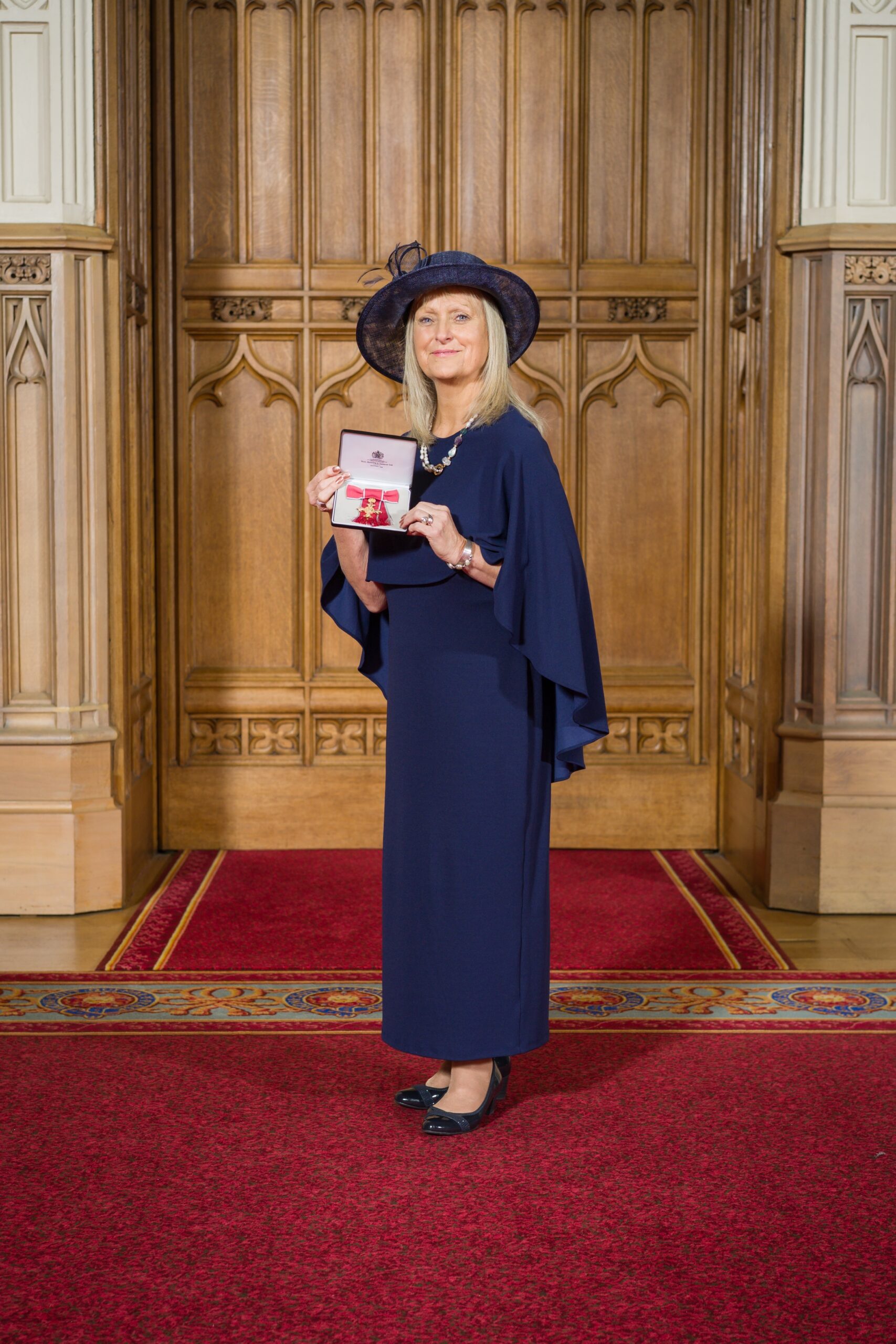
Inclusive employment isn’t just about opening doors – it’s about building the right pathways so that young people with additional needs can confidently step through them. In this episode of the *Inclusive Voices* podcast, I spoke with Tina Harrigan-James, co-founder of Vitruvia, about the innovative approaches she and her colleagues are pioneering to support learners with SEND (Special Educational Needs and Disabilities). From reshaping careers education to creating industry-driven toolkits, Vitruvia is showing how inclusion can be embedded into every stage of the education-to-employment journey.
Why SEND Inclusion Matters Now
Tina shared how they began by spotting major gaps in careers support for young people with additional needs. Too often, learners were offered generic advice that didn’t reflect their strengths or the real barriers they faced. By tailoring coaching and creating differentiated content, Vitruvia has been able to empower learners with the skills and confidence they need to thrive in further education and employment.
Shaping Training and Policy
Beyond supporting learners directly, Tina and her team have influenced national careers strategies through their work with the CDI and the Careers Enterprise Company. By embedding SEND-specific training into professional development for careers leaders, they are ensuring practitioners have the knowledge and tools to support all learners, not just those who fit into traditional pathways.
Uncovering Hidden Barriers
Despite progress, barriers remain. Tina highlighted challenges such as transport, limited access to placements, and curriculum design that unintentionally excludes certain learners. Parents, employers, and local authorities all play a critical role in breaking down these barriers and creating a system that is genuinely inclusive.
Vitruvia in Action: The Construction Toolkit
One standout example of Vitruvia’s work is the construction toolkit co-developed with employers. Designed with accessibility at its heart, the toolkit offers differentiated resources that open up opportunities for learners with additional needs to explore careers in construction. By co-producing materials with industry, Vitruvia ensured the content was both relevant and inclusive, leading to strong outcomes for schools and learners alike.
Engaging Employers in Inclusion
Employer engagement is a cornerstone of Vitruvia’s model. Tina explained how schools and employers can work together to challenge assumptions and build accessible opportunities. Coaching employers to view accessibility differently has led to powerful examples where co-production changed mindsets and practices, proving that inclusion benefits everyone.
Scaling What Works
Vitruvia’s work has not only influenced practice across the UK but has also inspired international conversations. The core elements—co-production, differentiated learning, and employer engagement—are highly adaptable for different contexts. Tina emphasised that sustainability comes from embedding these practices into systems and policy, not just relying on short-term project funding.
Final Thought
As Tina reminded us, inclusion isn’t a bolt-on. It must be built in from the very start—whether we’re planning lessons, designing careers pathways, or supporting young people into employment. Above all, we must ask young people what they need and build with them, not for them.
For more on Vitruvia’s work visit www.vitruvia.net