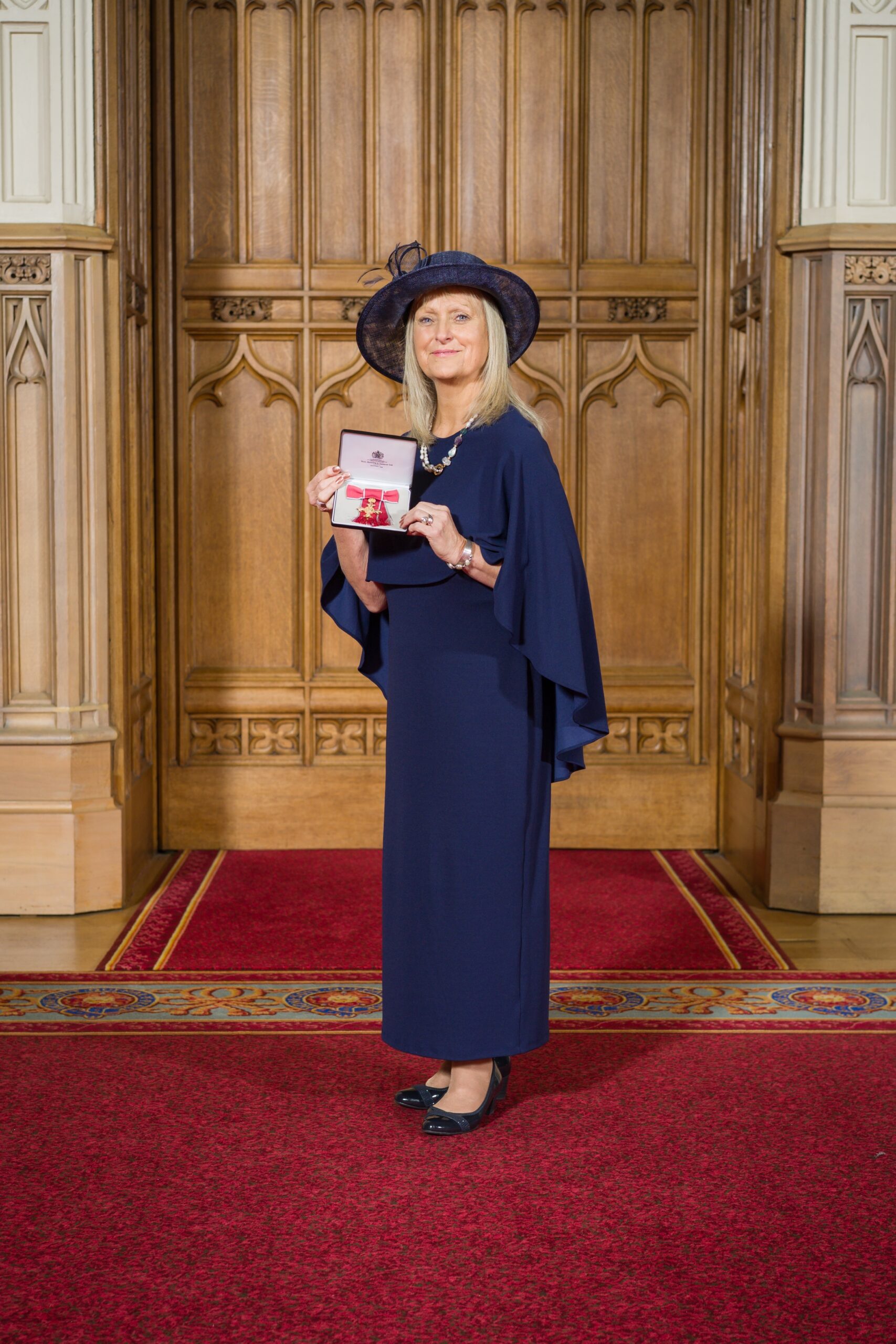
In a recent episode of Inclusive Voices, I had the privilege of speaking with Nora Toma, an accomplished professional and advocate who shared her lived experience of navigating the workplace with ADHD and ASD. Nora’s candid reflections offered practical guidance for both individuals and employers striving to make workplaces more inclusive.
-
Awareness Starts with Self-Knowledge
Nora emphasised the importance of self-understanding. A late diagnosis helped her make sense of lifelong challenges, from social cues to workplace expectations. Her advice for individuals entering the world of work is clear:
- Seek a professional diagnosis if you suspect you may be neurodivergent.
- Learn coping mechanisms and build self-awareness before disclosing or advocating in the workplace.
- Remember that advocacy is not an obligation – focus first on your own wellbeing.
-
Employers Should “Do Their Best”
Rather than feeling overwhelmed by the idea of accommodating every possible need, Nora advises organisations to:
- Assess realistically what can and cannot be done.
- Start with awareness and willingness to learn.
- Recognise that diversity includes many forms – being inclusive in one area is still meaningful progress.
- Build a human-centric culture where flexibility, kindness, and understanding are embedded.
-
Flexibility as a Game-Changer
One of Nora’s strongest recommendations for employers is to embrace flexible systems where possible. For her, rigid 9–5 expectations created unnecessary barriers. By contrast, workplaces that allowed flexible hours or hybrid arrangements enabled her – and colleagues – to thrive.
-
Practical Guidance for Young People
Nora offered both tough love and encouragement for young neurodivergent professionals:
- Neurodiversity is not a trend or “cool label” – it brings real challenges.
- Don’t impose needs aggressively; instead, build understanding within your inner circle and expand it gradually.
- If a workplace is unwilling to adapt, consider moving on rather than damaging your wellbeing.
-
Building Inclusive Cultures
For employers hesitant about inclusion, Nora’s advice is to remember that workplaces are made up of people, not just systems. Inclusion must be shared across teams – it cannot rest on HR or leadership alone. She also reminded employers that inclusion is both a business advantage (greater retention and talent) and an ethical obligation.
-
Final Nuggets of Good Practice
- For neurodivergent individuals: Know your rights, ask for them, but don’t fall into entitlement.
- For employers: Recognise that inclusion is both the right thing to do and good for business. When people feel comfortable, they stay and contribute more fully.
Key Takeaway:
Inclusion doesn’t always mean expensive redesigns or new systems. Often, it’s about awareness, flexibility, and human connection. As Nora put it, “Just be well-intentioned, do your best, and that’s it.”